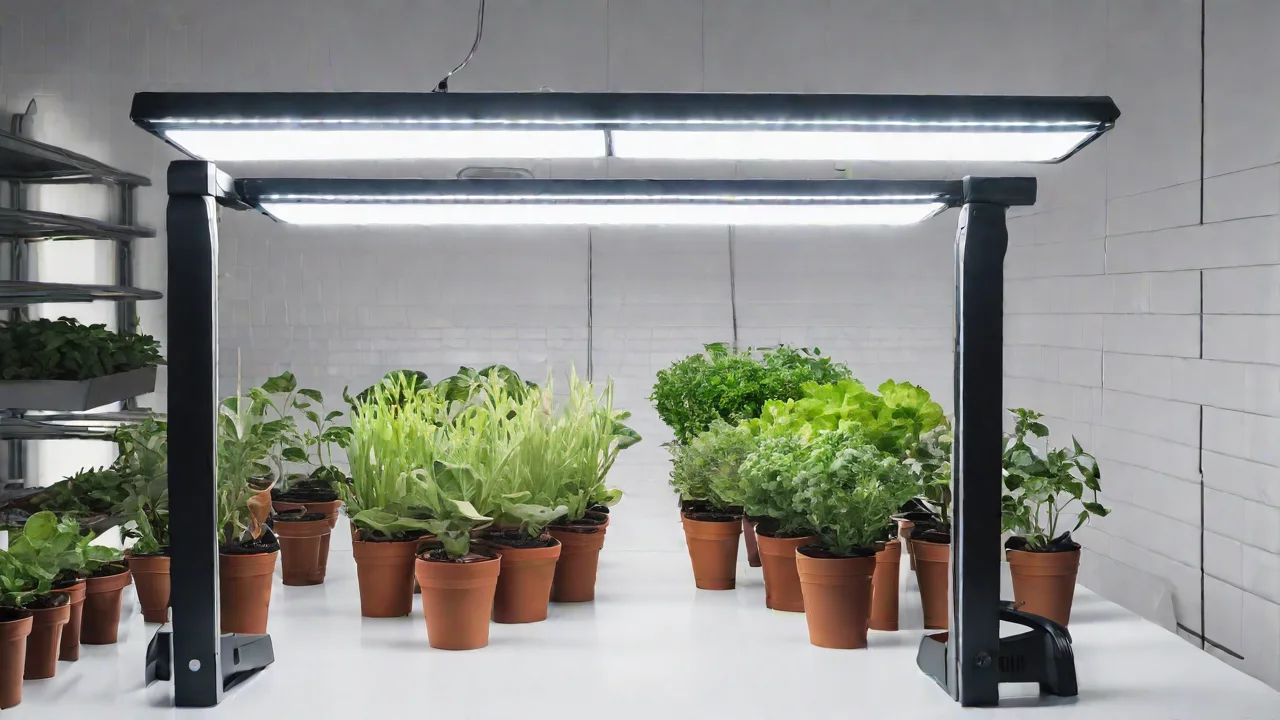
Commercial Keywords Research With Grow Light Kit: a Buyer's Guide
When you are tasked with keyword research for a commercial grow light kit, you are not simply looking for high-volume search terms. You are diagnosing the digital visibility of a technical product that sits at the intersection of horticulture, electrical engineering, and energy efficiency. A buyer searching for a "1000 watt LED grow light" has a fundamentally different intent than one searching for "full spectrum CMH greenhouse lighting." Your job is to map the language of the industry to the search behavior of commercial buyers, facility managers, and hydroponic suppliers. This guide walks you through the specific procedures, tools, and common mistakes involved in researching commercial keywords for grow light kits.
Understanding the Commercial Buyer Intent for Grow Light Kits
Before you open a keyword tool, you must differentiate between hobbyist and commercial intent. A commercial buyer is not browsing for a single light to hang over a tomato plant in a basement. They are pricing out a retrofit for a 10,000-square-foot vertical farm or a multi-tiered cannabis cultivation facility. Their search terms will reflect bulk purchasing, energy rebates, compliance, and long-term operational costs.
Key Intent Signals in Commercial Searches
- Bulk and wholesale terms: Phrases like "wholesale LED grow lights," "pallet pricing," or "commercial grow light distributors" indicate a buyer looking to purchase multiple units.
- Technical specifications: Searches for "PPFD map," "DLI calculator," or "spectrum tuning" show a buyer who understands lighting metrics beyond simple wattage.
- Compliance and certification: Terms such as "UL listed grow lights," "DLC qualified," or "Title 24 compliant" are critical for commercial installations that must pass inspection.
- Energy and ROI focus: Phrases like "LED grow light payback period," "energy rebate eligible," or "lumens per watt commercial" target buyers who are justifying a capital expense.
Your keyword list must prioritize these commercial signals over generic terms like "best grow light" or "grow light for sale," which are dominated by hobbyist traffic.
Tools and Data Sources for Commercial Grow Light Research
Standard keyword research tools are effective, but you must layer in industry-specific data sources to capture the technical vocabulary of the trade. Relying solely on Google Keyword Planner will miss the niche terms that commercial buyers use in RFQs and spec sheets.
Primary Keyword Research Tools
- Google Keyword Planner: Use this for baseline search volume and competition data. Focus on exact match and phrase match for terms like "commercial LED grow light installation."
- SEMrush or Ahrefs: These tools allow you to analyze competitor domains. Look at the organic keywords driving traffic to major grow light manufacturers such as Fluence, Gavita, or Hortilux. Export their top-performing pages for "commercial" and "greenhouse" categories.
- AnswerThePublic: This tool reveals question-based queries. Commercial buyers often ask "how many watts per square foot for cannabis" or "what is the lifespan of a commercial LED grow light." These questions are gold for content creation.
- Amazon and Alibaba Search Autocomplete: B2B platforms show real-time buyer language. Type "commercial grow light" into Alibaba and note the long-tail variations that appear in the dropdown.
Industry-Specific Data Sources
- ASHRAE Standards: Search for terms related to ASHRAE Standard 90.1 lighting power density requirements. Keywords like "LPD calculation grow room" or "ASHRAE 90.1 horticultural lighting" are used by engineers and specifiers.
- EPA ENERGY STAR and DLC: The DesignLights Consortium (DLC) maintains a qualified products list for horticultural lighting. Keywords like "DLC listed grow light" or "ENERGY STAR horticultural" are high-intent commercial terms. Check the DLC Horticultural Lighting page for technical language.
- Manufacturer Spec Sheets: Download spec sheets from Fluence, Heliospectra, and Illumitex. Extract the technical descriptors they use: "high PPE," "tunable spectrum," "zero light pollution," "IP65 rated." These become your long-tail keywords.
- Trade Publications: Scan articles from Greenhouse Grower, Urban Ag News, and LEDs Magazine. The jargon used in these publications—"interlighting," "toplighting," "photomorphogenesis"—is the language of your commercial audience.
Step-by-Step Procedure for Building the Keyword List
Follow this structured workflow to ensure you capture all relevant commercial terms without wasting time on low-intent queries.
Step 1: Seed Keyword Generation
Start with 10-15 broad seed terms related to commercial grow light kits. Examples include: "commercial LED grow light," "greenhouse lighting system," "vertical farm LED," "HPS replacement LED," "horticultural lighting fixture," "multi-tier grow light," "high bay grow light," "sealed grow light fixture."
Step 2: Expand with Modifiers
Apply commercial modifiers to each seed term. Common modifiers include: wholesale, bulk, commercial, industrial, warehouse, greenhouse, vertical farm, 480V, 277V, DLC, UL, IP65, 1000 watt, 800 watt, tunable, spectrum, full cycle, veg and bloom, daisy chain, dimmable, 0-10V, PWM.
For example, the seed "commercial LED grow light" expands to: "commercial LED grow light 1000 watt DLC," "commercial LED grow light 277V," "commercial LED grow light daisy chain," "commercial LED grow light IP65."
Step 3: Identify Technical and Compliance Terms
Create a separate list for compliance and technical keywords. These are often lower volume but extremely high conversion. Examples: "PPF vs PPFD," "DLI calculator greenhouse," "photoperiodic lighting compliance," "NEC Article 410 grow light," "fire rated grow light fixture," "EMI shielded grow light."
Step 4: Analyze Competitor Content Gaps
Use SEMrush or Ahrefs to run a content gap analysis between your site and three major commercial grow light brands. Identify keywords that competitors rank for in the top 10 that you do not. Prioritize terms that have a keyword difficulty score under 40 and a monthly search volume above 50.
Step 5: Group Keywords by Buyer Journey Stage
Organize your final list into three buckets:
- Awareness: "benefits of LED grow lights vs HPS," "commercial grow light cost per square foot," "how to choose greenhouse lighting."
- Consideration: "Fluence Spyder vs Gavita Pro," "best LED grow light for vertical farming," "DLC qualified grow light list."
- Decision: "buy commercial LED grow light wholesale," "commercial grow light installation service," "grow light rebate program California."
This grouping ensures your content strategy addresses the buyer at the correct stage.
Common Mistakes in Commercial Grow Light Keyword Research
Even experienced researchers fall into traps when dealing with this niche. Avoid these errors to maintain the integrity of your keyword data.
Mistake 1: Confusing Hobbyist Volume with Commercial Intent
A term like "best LED grow light for 4x4 tent" may have high search volume, but it targets home growers. If you optimize a page for this term, you will attract traffic that cannot afford your commercial product. Always check the SERP for commercial indicators. If the top results are Amazon product pages with prices under $200, the intent is not commercial.
Mistake 2: Ignoring Regional and Electrical Variations
Commercial grow lights are often wired for 277V or 480V, not standard 120V. A buyer in North America may search for "480V grow light," while a European buyer searches for "400V horticultural lighting." Similarly, compliance terms vary by state. California buyers search for "Title 24 grow light," while New York buyers search for "NYStretch energy code lighting." Failing to localize your keywords will miss entire markets.
Mistake 3: Overlooking Negative Keywords for PPC
If you are running paid search, negative keywords are critical. Add terms like "cheap," "diy," "small," "tent," "seedling," "hobby," and "aquarium" to prevent your ads from showing to non-commercial searchers. Without this step, you waste budget on clicks that will never convert.
Mistake 4: Relying Only on Exact Match Data
Keyword tools often underreport volume for exact match technical terms. A search for "PPE 3.0 umol/j" may show zero volume in Google Keyword Planner, but it is a term used in spec sheets and RFPs. Use broad match and phrase match reports, and supplement with data from industry forums and trade show presentations.
When to Call a Senior Technician or Inspector
Keyword research itself does not require a field technician, but the data you generate will inform content that must be technically accurate. If you are writing about installation procedures, electrical load calculations, or compliance requirements, you must validate your keywords with a subject matter expert. Here are specific scenarios where you should escalate:
Scenario 1: Electrical Load and Circuitry Terms
If your keyword list includes terms like "dedicated circuit grow light," "breaker sizing LED array," or "inrush current grow light," consult a licensed electrician or a senior HVAC technician who specializes in grow facility electrical work. Incorrectly describing electrical requirements in your content can lead to dangerous installations.
Scenario 2: HVAC Integration and Heat Load
Commercial grow lights generate significant heat. Keywords like "BTU output LED grow light," "cooling requirement per light," or "HVAC sizing for grow room" require cross-referencing with a mechanical engineer. An inspector or senior technician can verify the heat load calculations and ensure your content aligns with real-world system design.
Scenario 3: Building Code and Fire Safety Compliance
If you target keywords such as "fire rated grow light fixture," "plenum rated cable grow light," or "NEC 410.16 grow light clearance," you must have the content reviewed by a building inspector or fire marshal. Misstating clearance requirements or fixture ratings creates liability.
Scenario 4: Water and Humidity Ratings
Keywords like "IP65 grow light," "NEMA 4X horticultural fixture," or "corrosion resistant grow light" require verification against actual product certifications. A senior technician can confirm whether a specific IP rating is suitable for a hydroponic environment or if a higher rating is needed.
When in doubt, include a disclaimer in your content that the information is for general guidance and that a licensed professional should be consulted for specific installations. Then, have the article reviewed by a technical editor from the industry.
Practical Takeaway
Commercial keyword research for grow light kits is a technical discipline that demands more than a standard SEO workflow. You must understand the electrical, compliance, and operational language of the commercial horticulture industry. Use the tools and data sources outlined here, avoid the common pitfalls of confusing hobbyist and commercial intent, and always validate your technical terms with a senior technician or inspector when safety or code compliance is at stake. The result will be a keyword list that drives qualified traffic from buyers who are ready to invest in a commercial lighting system.